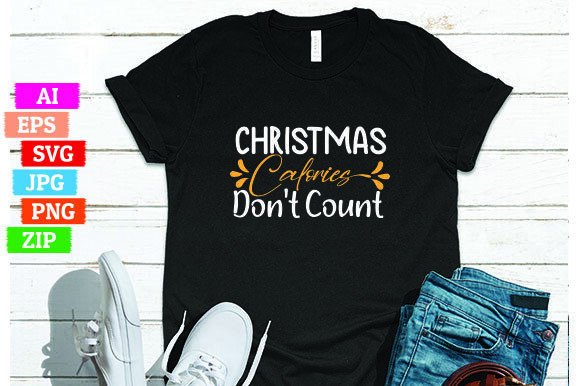
Christmas Calories Don't Count: Print On Demand Design
Every December, a familiar phrase makes its cheerful rounds: Christmas calories don't count. It is a lighthearted permission slip we give ourselves and others during the holiday season—a playful nod to the overflowing plates of roast potatoes, mince pies, chocolate logs, and endless festive drinks. But beyond the dinner table, this phrase has found a new life in the world of print on demand t-shirt design. For creators, entrepreneurs, and casual buyers alike, a well-made t-shirt carrying this message can be both a conversation starter and a profitable product.
If you have ever considered selling custom apparel or simply want a funny, high-quality shirt for your own holiday wardrobe, understanding what makes this design work is worth your time. Let's break down what the phrase means, why it resonates, and how different people approach a product like this—from the beginner looking for an easy side hustle to the experienced print on demand seller aiming for consistent sales.
What Does Christmas Calories Don't Count Really Mean?
The saying is a seasonal inside joke. It acknowledges that during Christmas, many of us temporarily suspend our usual dietary rules. The idea is not medically accurate, of course—calories still exist—but emotionally, it is a liberating thought. It captures the spirit of indulgence, generosity, and joy that defines the holiday period. Wearing this on a t-shirt signals that you are here for the celebration, not for judgment. It is inclusive, humorous, and instantly recognizable to anyone who has ever felt guilty about a second helping of pudding.
For a print on demand business, this kind of evergreen seasonal humor is gold. It appeals to a wide demographic: parents hosting Christmas dinner, office workers attending parties, students heading home for the break, and even fitness enthusiasts who take December off. The design works because it taps into a shared cultural moment without being offensive or overly niche.
Why Different Audiences Care About This Design
A t-shirt with this slogan is not just a piece of clothing. Depending on who you are, it represents something slightly different. Let's look at how various groups might evaluate or use the design.
Beginners Exploring Print On Demand
If you are new to selling custom merch, phrases like this are a safe starting point. You do not need to explain the joke—people already get it. Beginners often worry about choosing designs that will actually sell. A phrase tied to Christmas calories is low-risk because it has broad, mainstream appeal. You can test it on platforms like Redbubble, Teespring, or Etsy without overthinking the niche. The key for you is ease of use: the design files you receive should be ready to upload. An editable AI file, SVG, and transparent PNG give you flexibility. Even if you have never used design software before, a transparent PNG lets you drop the artwork directly onto a blank shirt mockup in seconds. That simplicity matters when you are learning the ropes.
Experienced Creators and Designers
For seasoned designers, the priority shifts toward quality and flexibility. You might already have a catalog of holiday designs, but this phrase offers a fresh canvas. The editable AI and EPS files allow you to tweak the typography, adjust colors to match your brand palette, or resize elements for different apparel types—crewnecks, hoodies, or even tote bags. Experienced creators also value commercial usefulness. A design that works in December can be adapted into a year-round humor line if you reposition it slightly. You can also create variations: a minimalist version, a retro 90s style, or a bold oversized print. The supplied vector files ensure you are not starting from scratch.
Small Business Owners and Marketers
If you run a small apparel brand or a marketing agency, your concerns are about reliability and speed. The holiday season is short. You need a design that can go from concept to listing in under an hour. A pre-made design package with multiple file formats removes the bottleneck of hiring a freelancer or wrestling with complex software. You can focus on writing product descriptions, setting pricing, and running targeted ads. For a business owner, the value of a phrase like this is its proven emotional hook. It resonates with buyers who want a funny gift for a friend or a treat for themselves. The design does the heavy lifting in terms of appeal; you just need to present it well.
Educators and Content Creators
Believe it or not, a Christmas calories t-shirt can serve as a teaching tool. If you run a blog, podcast, or YouTube channel about print on demand or e-commerce, this product is a perfect case study. You can walk your audience through how to evaluate a phrase's market fit, how to choose file formats, and how to set up a mockup. For educators, the learning value of the design matters more than the sale itself. You can also use the shirt as a giveaway or a patreon reward. Content creators who make holiday-themed videos can wear it on camera. It instantly signals a casual, relatable vibe that viewers appreciate.
Consumers and Hobbyists
Maybe you simply want a comfortable, funny shirt for your own Christmas gathering. You are not trying to build a business or impress anyone. For you, the priorities are quality, fit, and humor. You want a design that looks good in real life—not pixelated or poorly printed. When you buy from a print on demand seller who uses high-quality files, the result is a crisp, durable print that survives multiple washes. Consumers also care about authenticity. The phrase feels genuine, not corporate. It is something you would actually wear to a family dinner or a casual pub meetup. For hobbyists who enjoy designing their own clothes, the editable files let you personalize the shirt further. Maybe you add your family name or a funny subtitle. The creative freedom is built into the product.
Evaluating the Design Files: What Each Format Offers
Receiving a design in multiple formats is not just a bonus—it is a practical necessity depending on your workflow. Let me walk you through what each file type does and why it matters for different users.
- AI and EPS files are for vector editing in Adobe Illustrator or similar software. They allow unlimited scaling without quality loss. If you plan to print the design in large sizes—like on a poster or a hoodie back print—these are essential. Professionals and experienced creators will likely jump straight to these.
- SVG files are widely supported by cutting machines like Cricut or Silhouette. Hobbyists who make their own shirts at home using heat transfer vinyl will appreciate this format. It is also clean for web use and responsive design.
- Transparent PNG files are the most beginner-friendly option. You can drop them onto mockups, social media posts, or listing images without needing to cut out a background. This format saves time and reduces frustration for anyone who is not comfortable with design software.
- The whole package comes compressed in a ZIP folder. You extract the files or double-click to open them. This is standard but worth noting for users who might be unsure about handling compressed folders. Every file is organized so you are not hunting around for the right version.
For print on demand sellers, having all these formats means you can cater to different production methods. Some print providers prefer vector files for screen printing, while others work best with high-res PNGs for direct-to-garment printing. Having both options covered ensures you are not rejected at the upload stage.
Practical Examples for Different Reader Types
Let's ground this in real scenarios so you can see how the design might fit your own situation.
Imagine you are a freelancer who sells on multiple platforms. You download the ZIP, extract the files, and upload the transparent PNG to a mockup generator. Within ten minutes, you have a product image ready for Etsy. You set the price at $24.99 and move on to your next task. The commercial value is immediate—you are using a pre-validated phrase and professional artwork to create a listing with zero creative effort.
Now picture a small business owner who runs a local gift shop online. You want to run a limited holiday drop. You open the AI file in Illustrator, change the shirt color options to red, green, and black, and adjust the typography spacing slightly. You then export new PNGs for each color variant. The speed of editing a vector file versus designing from scratch saves you hours. You launch the collection in a day instead of a week.
Finally, consider a consumer who just wants a funny shirt for the annual family photo. You find a seller using this exact design. You check the reviews to see if the print lasts. When you receive the shirt, the design is centered, the colors are vibrant, and the fabric feels good. You wear it to three different parties and get compliments each time. For you, the product's long-term usefulness is about making memories and starting laughs. That is a different kind of value than a business metric, but just as real.
Is This Design Right for Your Goals and Skill Level?
Choosing a design for print on demand is never just about liking the phrase. You have to match it to your goals. If your primary aim is to learn how the print on demand process works without investing in custom artwork, this design is an excellent fit. The included files remove the most intimidating barrier: the design itself. You can focus on learning how to create listings, handle shipping, or market your products.
If you are already an experienced seller, ask yourself whether this design fills a gap in your catalog. Maybe you lack a lighthearted Christmas option among your more serious or minimalist designs. The humor here is broad enough to work across genders, ages, and regions. It also pairs well with other festive slogans like Naughty or Nice or Let it Snow. You can bundle them together as a holiday collection.
For hobbyists who enjoy crafting, the SVG file is the star. You can cut the design yourself using heat transfer vinyl and apply it to t-shirts, onesies, aprons, or even tote bags for a homemade Christmas gift. The creative control is in your hands, and the results can look just as polished as store-bought items.
Consumers should look for sellers who demonstrate quality in their mockups and descriptions. If a listing shows the design clearly, offers sizing details, and uses high-resolution images, it is a good sign that the seller cares about the final product. The phrase itself is timeless in its seasonal appeal, so you are unlikely to regret the purchase.
Why Quality Matters More Than You Think
In print on demand, the design file quality directly affects the final product. A low-resolution PNG will look blurry on a shirt. A poorly constructed vector file might misalign colors or lose details when resized. The fact that this design is supplied in editable AI, SVG, EPS, and transparent PNG formats means the original artwork was created with professional standards. If you are a seller, investing in quality files upfront reduces customer complaints and return rates. If you are a buyer, you end up with a shirt that looks as good in real life as it did on the screen. That matters for both repeat business and personal satisfaction.
The Christmas season moves fast. Listings go live, ads run, and customers decide within seconds. A design that is clear, funny, and visually appealing has an edge. Christmas calories don't count delivers on all three fronts. It is relatable, easy to read, and carries a positive emotion. Whether you are creating it, selling it, or wearing it, the value is tangible.
By understanding how different audiences approach the same design, you can make smarter decisions about whether this product aligns with your project type, budget, and expertise. The files are ready. The phrase resonates. All that is left is to decide how you want to use it.