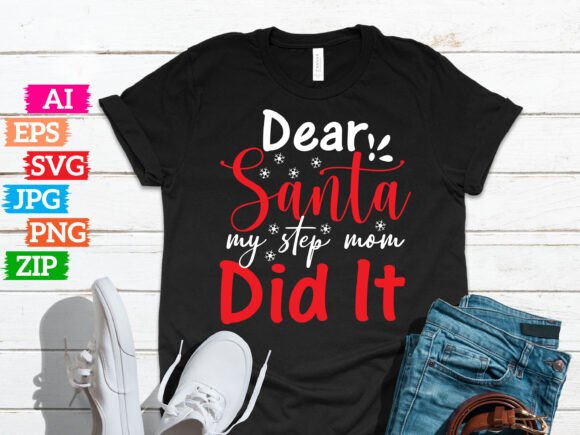
Dear Santa My Step Mom Did It: A Fresh Take on Holiday Humor for Print on Demand
The holiday season brings a familiar rush of themed apparel, from cozy sweaters to cheeky slogans. Among the wave of seasonal designs, Dear Santa My Step Mom Did It has emerged as a distinctive option that blends holiday tradition with modern family dynamics. For anyone running a print on demand business or evaluating niche t-shirt concepts, this design raises interesting questions about audience fit, originality, and market positioning. This article explores what makes this design stand out, how it compares with other humorous holiday approaches, and what factors matter most when deciding whether to add it to your product lineup.
Understanding the Concept Behind the Design
At its core, Dear Santa My Step Mom Did It taps into a specific kind of storytelling. The phrase suggests a child writing to Santa with an excuse or confession, but the twist is the step-parent dynamic. This small narrative hook gives the design a conversational quality. It is not just a one-liner; it implies a backstory that many people can relate to or find amusing. The humor is situational rather than generic, which can make it feel more authentic and shareable.
What sets this design apart from many holiday t-shirts is its focus on blended family experiences. Traditional holiday humor often leans on universal themes like overeating, awkward family gatherings, or last-minute shopping. By contrast, this design zeroes in on a specific household relationship that resonates with a growing demographic. Stepfamilies are common, and holiday humor that acknowledges this reality without being negative or divisive can fill a gap in the market.
The design also benefits from a narrative quality that invites curiosity. Someone seeing the shirt in a crowd might smile or ask for the story behind it. That kind of engagement is valuable for print on because it can lead to social sharing and word-of-mouth exposure, which are difficult to achieve with more generic slogans.
How It Compares to Other Holiday Humor Styles
To understand where Dear Santa My Step Mom Did It fits, it helps to look at the broader landscape of holiday t-shirt humor. One common category is the blunt confession: I need a drink, Merry Christmas to all but my in-laws, or Naughty list material. These designs rely on shared frustration or mild rebellion. They are broad and easy to sell because nearly anyone can relate to holiday stress. However, they are also common and can feel interchangeable across brands and platforms.
A second category is the inside joke or niche reference. Designs referencing specific movies, memes, or subcultures appeal to a narrower audience but often generate stronger loyalty and repeat interest. Dear Santa My Step Mom Did It sits somewhere between these two categories. It is specific enough to feel personal and fresh, yet broad enough that the humor translates without needing a long setup. It does not rely on pop culture references that could date the design, nor does it depend on explicit negativity or cynicism.
Another comparison worth noting is the growing trend of family-role humor. Designs that say Mom's favorite child, Dad jokes only, or Step-parent of the year have carved out a steady niche. The step-parent angle in this design is particularly fitting because it acknowledges a role that is sometimes overlooked in holiday merchandise. While many designs celebrate biological parents or grandparents, step-parents and stepchildren often seek representation that feels genuine and lighthearted.
Strengths and Tradeoffs of This Design
One clear strength of Dear Santa My Step Mom Did It is its originality. In a crowded market, a unique angle can help a design stand out in search results, social media feeds, and online marketplaces. Customers scrolling through hundreds of similar options may pause on something that feels different. The narrative element also gives the design a conversational hook that can be used in product descriptions, social media posts, and advertising copy without sounding forced.
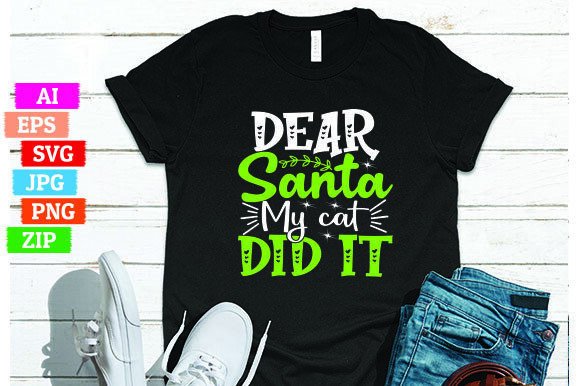
Another advantage is the versatility of the format. According to the product listing, the design comes with multiple file types, including an editable AI file, SVG, PNG, EPS, and a transparent PNG. This means sellers can adapt the design for different products, resize it for various placements, and modify colors or text if needed. Having a transparent PNG and an editable vector file is especially useful for print on demand because it allows for clean printing on different colored garments and easy scaling without quality loss.
However, there are tradeoffs to consider. The specificity of the humor means it will not appeal to everyone. Customers who do not have step-parents or stepchildren in their lives may not find the joke as engaging. While the design can still work for people who appreciate the humor generally, its strongest resonance will be with those who have direct experience with blended families. This is not necessarily a weakness, but it does mean the target audience is slightly narrower than a design about, say, Christmas cookies or holiday travel chaos.
Another tradeoff is the tone. The phrase relies on a playful, cheeky framing that relies on the idea of pinning blame or making an excuse to Santa. Some buyers might interpret this as too mischievous or worried it could be misunderstood by younger children. On the other hand, many customers appreciate holiday humor that does not take itself too seriously. The key is to market the design toward adults who enjoy playful banter and family inside jokes rather than toward very young children or formal settings.
Best-Fit Situations and Use Cases
If you are a print on demand seller evaluating Dear Santa My Step Mom Did It, it is worth considering the contexts where it will perform best. The design is likely a strong fit for holiday gift-giving occasions, especially for step-parents looking for a fun present for their stepchild, or vice versa. It could also appeal to couples in blended families who want matching or complementary shirts for holiday gatherings. The humor can break the ice in settings where family dynamics are complex, offering a lighthearted way to acknowledge the relationship.
The design may also work well for casual holiday events rather than formal or religious celebrations. Think family dinners, office parties with a relaxed dress code, or holiday shopping trips. It is the kind of shirt someone might wear to a white elephant gift exchange or a casual get-together with close friends. For more traditional or conservative audiences, the design may feel too casual or edgy, so it is helpful to know your customer base and where you plan to sell.
Another use case is for social media content. Because the design tells a miniature story, it can be photographed and shared in ways that generate engagement. A quick post showing the shirt with a funny caption or a short video of someone wearing it while wrapping gifts can perform well on platforms like Instagram or Pinterest. The editable file formats make it easy to create mockups for different backgrounds and products, which is a practical advantage for marketing.
When Another Option Might Serve You Better
While Dear Santa My Step Mom Did It has clear appeal, it is not the right choice for every seller or every audience. If your customer base skews strongly toward very young children or families who prefer wholesome humor without any hint of mischief, a more neutral holiday design might be a safer bet. Similarly, if you are selling in markets where English is not the primary language or where step-family humor is less common, the design could lose some of its resonance.
For sellers who prioritize maximum reach and want a design that appeals to nearly everyone, a more universal holiday joke or a simple festive graphic might generate higher volume sales. The tradeoff is that those designs face more competition and may not stand out as much. For sellers who prefer niche targeting and building a loyal following around specific themes, this design offers a unique angle that can differentiate a product line.
Another situation where an alternative may be preferable is if you are selling through a marketplace with strict policies on humor or family-related content. While the design is clearly playful and not offensive, it is always wise to review platform guidelines to ensure the tone is acceptable. Some marketplaces may flag or limit designs that reference family roles in a mischievous context, even if the intent is lighthearted.
Decision Factors to Consider Before Adding the Design
Before committing to Dear Santa My Step Mom Did It as a product in your print on demand catalog, consider a few practical factors. First, think about your existing audience and what they already respond to. If your customers frequently buy holiday humor and family-themed apparel, this design slots into that interest area naturally. If your audience leans toward minimalist or elegant holiday styles, the design may feel out of place.
Second, evaluate the quality of the file package. The availability of an editable AI file and SVG format is a significant advantage because it allows you to tweak colors, resize elements, or combine the design with other graphics. If you are working with a print partner that requires specific file types, having multiple formats reduces friction. The fact that the files are compressed in one ZIP folder means you can download and organize them quickly, which is helpful for sellers managing multiple designs at once.
Third, test the design with a small audience or a limited run before scaling. You could create a single mockup and share it on social media or with a mailing list to gauge reactions. This low-cost approach lets you see if the humor connects before investing in inventory or listing fees across multiple products. Because the design is niche, testing reduces the risk of sitting on unsold stock.
Finally, consider how the design fits into your overall seasonal strategy. Holiday designs have a natural sales window, so timing matters. Listing the design well before the holiday rush, perhaps in early November, gives it time to gain visibility. After the holidays, demand will drop sharply. If you want a design that sells year-round, this is less ideal than a non-seasonal concept. But for seasonal campaigns, it offers a focused angle that can capture attention during the holiday browsing period.
Practical Examples of How the Design Might Perform
To make this discussion more concrete, imagine a seller who runs a print on demand store focused on family-friendly humor. They add Dear Santa My Step Mom Did It to their holiday collection in early November. They create mockups showing the design on a red t-shirt, a green sweatshirt, and a cream-colored hoodie. The file formats allow them to adjust the font size for different placements. They share the design on social media with a caption that reads: Who else has been here before? Tag your stepmom or stepkid. The post generates comments and shares from followers who relate to the situation, driving traffic to the product page.
In another scenario, a seller focuses on minimalist holiday designs and worries the phrase is too long or too busy. But because the files include an editable vector, they can adjust the layout, make the text more compact, or add a small graphic element like a Santa hat to balance the composition. This flexibility is a practical advantage that allows the design to fit different aesthetic preferences.
A third seller might use the design as a gateway to a whole collection of step-family holiday shirts. They could create complementary designs like Step Mom Santa Approved or Step Dad's Christmas Workshop. The original design becomes the anchor for a niche line that appeals to a specific audience who feels seen by the humor. Over time, this can build brand recognition and repeat customers within that demographic.
Final Thoughts on Choosing the Right Fit
Dear Santa My Step Mom Did It occupies a particular space in the print on demand landscape. It is not a one-size-fits-all design, and it does not try to be. Its strength lies in its specificity, its narrative quality, and its ability to connect with people who appreciate holiday humor rooted in real-life family dynamics. For sellers who understand their audience and value originality over mass appeal, it offers a refreshing alternative to the usual holiday slogans. For those who need maximum reach across demographics, a broader approach may be more reliable. The best choice depends on your customers, your brand voice, and the kind of engagement you want to create. By weighing the tradeoffs and testing the concept, you can determine whether this design deserves a spot in your seasonal lineup.