Funny Christmas Mug & Gingerbread Man Mug: How to Choose, Use, and Print Festive Designs That Actually Deliver
If you have spent any time browsing holiday gift ideas or print-on-demand product catalogs, you have likely come across the Funny Christmas Mug and Gingerbread Man Mug. These are not just seasonal novelties. They represent a category of festive drinkware that people genuinely want to give, receive, and even resell. The appeal is obvious: a well-designed mug turns a daily coffee ritual into a moment of holiday cheer. But there is a significant gap between a mug that looks great in a mockup and one that actually holds up in real life.
Many people jump into buying or creating Funny Christmas Mug, Gingerbread Man Mug, and similar festive mug designs without understanding the technical details that separate a polished product from a disappointing one. If you are an entrepreneur, small business owner, hobbyist, or even just a shopper trying to find a memorable gift, knowing what to look for can save you time, money, and frustration. Let us walk through the common mistakes people make, why they matter, and how you can avoid them.
Why the File Format and Resolution Matter More Than You Think
One of the most frequent misunderstandings involves the actual digital file behind the design. When you see a listing that says you will receive 3 PNG files, that is a good sign only if you know what those files contain. Many buyers assume that any image can be slapped onto a mug and look perfect. That assumption leads to disappointment.
A PNG file is ideal for mug printing because it supports transparency and clean edges. But not all PNGs are created equal. If the file is low resolution, the print will appear blurry, pixelated, or soft. The listing specifies high resolution PNG file 300 DPI. This is not optional. It is the baseline for professional-looking sublimation, transfer, or direct-to-substrate printing. Anything below 300 DPI will likely result in a mug that looks amateurish, even if the design itself is charming or funny.
The mistake people make here is thinking that any PNG will do, or that scaling up a smaller image in design software will fix the problem. It will not. When you enlarge a low-resolution image, you are stretching the pixels, which makes the blur more visible. Always verify that the files you download are exactly 300 DPI before you spend time on layout or purchase blanks.
Overlooking Mug Shape and Size Specifications
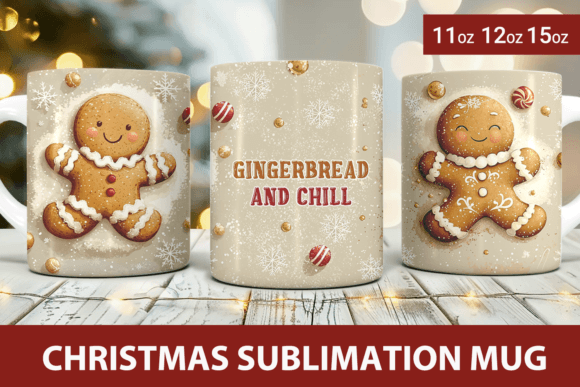
Another detail that gets overlooked is the specific mug shape and size the design is meant for. The product description mentions 11 oz STRAIGHT 8.5 x 3.5, 12 oz STRAIGHT 8.75 x 3.79, and 15 oz STRAIGHT 9 x 4. These measurements are not random. They correspond to the exact printable area of a straight-sided mug in each capacity.
If you try to use a design meant for an 11 oz straight mug on a 15 oz tapered mug, the artwork will either wrap incorrectly, peak above the visible area, or leave awkward blank space. Tapered mugs have narrower tops and wider bottoms, which means the design must be distorted or adjusted. Straight mugs, on the other hand, offer a consistent surface from top to bottom. That is why designs labeled for straight mugs should only be used on straight mug blanks.
A practical way to avoid this mistake is to decide which mug size you will use before you download or purchase the design files. If you are a seller, stock one size consistently until you are comfortable scaling your workflow. If you are a buyer, confirm whether the gift recipient prefers an 11 oz or a 15 oz mug. That small decision prevents the awkwardness of a design that does not fit the mug.
The Mistake of Ignoring Bleed and Safety Margins
Even if you have the correct file format and the right mug size, there is a subtle but critical factor called the bleed area and safety margin. The numbers provided — 8.5 x 3.5 for an 11 oz mug — are the total printable area, not the area where your main design elements should sit. If your design includes text, a funny phrase, or a detailed gingerbread man face, you need to keep those elements inside a safe zone, typically about 0.25 inches from the edge.
What happens if you ignore this? Part of the design may wrap to the back of the mug, or get cut off by the printer's registration limits. The result is a mug that looks incomplete or misaligned. The fix is simple: open the PNG file in your design software and add a transparent guide around the perimeter. Keep all critical elements within that inner rectangle. Background colors or patterns can extend to the full dimensions, but text and focal images need breathing room.
Many beginners assume that because the file says 8.5 x 3.5, they can fill every inch with important content. That is a misunderstanding that leads to returns, negative reviews, or disappointed recipients. Treat those numbers as the maximum canvas, not the safe zone.
Underestimating the Importance of Design Compatibility with Printing Methods
Not all mug printing methods work the same way, and the design files you get need to be compatible with whichever method you plan to use. Sublimation printing, for example, requires a mirrored image if you are using certain transfer papers. UV printing does not require mirroring but benefits from a white underbase for vibrant colors. If you are using adhesive vinyl, you need a cut file rather than a PNG at all.
The 3 PNG files provided are most suitable for sublimation or for professional print-on-demand services that accept raster images. If you planned to use a different method, you might need to convert the file or request an alternative format. This is a mistake that wastes time and supplies. Before you buy, confirm that PNG files work with your equipment or your chosen print provider. Most quality print-on-demand platforms accept high-resolution PNGs at 300 DPI, but always check their specific upload requirements.
If you are a creator or small business owner, you can avoid this by building a checklist for each new design batch. Ask yourself: What printer or service am I using? What file type do they need? Do I need to mirror the image? Answering those questions before you download saves you from rework.
Choosing a Design That Looks Funny but Lacks Staying Power
The humor in a Funny Christmas Mug or a Gingerbread Man Mug is a major selling point. But there is a common mistake in selecting or creating designs that rely on references or jokes that will feel stale by next December. A truly great festive mug is one that people want to use year after year, not one that feels dated after a single season.
Instead of jokes that depend on a specific meme or pop culture moment from last month, think about humor rooted in holiday experiences: the chaos of baking, the struggle of family gatherings, or the joy of drinking something warm after shoveling snow. A gingerbread man with a funny expression, a pun about cocoa, or a playful take on holiday traditions tends to age better than a niche reference.
If you are a buyer look at the design and ask yourself whether you would still smile at it next December. If the answer is no, keep looking. If you are a creator, test your concepts with a few people outside your immediate circle. That feedback helps you catch designs that are too inside or too fleeting.
Neglecting Color Accuracy and Test Prints
Digital files can look vibrant on your screen and turn out muted or shifted on an actual mug. This happens because screens use RGB color space while most mug printing uses CMYK or a proprietary color profile. A bright red in the design file may appear orange or brown after printing if no color correction is applied.
The mistake here is trusting your monitor completely. Even after you download a high resolution PNG file 300 DPI, you need to do a test print on a sample mug before you produce a batch or ship a gift. That test print reveals color shifts, transparency issues, and any alignment problems that the digital file hid.
For a Gingerbread Man Mug, color is especially important because brown tones, icing highlights, and small details like eyes or buttons need to be crisp and distinct. A muddy print ruins the charm. If you are ordering a mug for yourself, ask the seller whether they provide a proof or a physical sample. If you are producing mugs yourself, invest in one or two test blanks before you print a dozen.
What to Check Before You Buy or Use Funny Christmas Mug Designs
Before you commit to a purchase or start a production run, run through this short checklist:
- Are the files provided as 3 PNG files at 300 DPI? Confirm this in the listing or product description.
- Do the mug dimensions match the mug blanks you have? Straight mugs only for these files, with the exact measurements listed.
- Is the design inside the safety margin? Open the file and check that text and key details are not too close to the edge.
- Does the humor work for your audience or recipient? Read the text carefully. Does it match their sense of humor?
- Is the color profile appropriate for your printing method? Ask your printer about color conversion if needed.
- Have you done a test print? If you are producing mugs, a test is non-negotiable. If you are buying, read reviews that include photos of the actual product.
Taking these steps does not slow you down. It saves you from the disappointment of a mug that does not live up to its mockup. Whether you are making every sip merry with festive mug designs for your own kitchen or for customers who expect quality, those minutes of verification are an investment in satisfaction.
Making Every Sip Merry: Practical Ways to Use These Designs
Once you have the correct files and you have verified the details, the possibilities are genuinely enjoyable. A Funny Christmas Mug makes an excellent hostess gift, a white elephant exchange item, or a small token for coworkers. The Gingerbread Man Mug appeals to bakers, parents, and anyone who loves the scent of gingerbread cookies.
If you are a small business owner, bundling three sizes — 11 oz, 12 oz, and 15 oz — gives your customers options. Some people prefer a smaller mug for coffee, while a larger one suits tea or hot cocoa. Offering the same design across those sizes keeps your inventory simple while catering to different preferences.
For creators and hobbyists, the 3 PNG files mean you can print one design across different mug sizes without redesigning from scratch. You can also use the files for other hard surfaces like ceramic plates or coasters, as long as you respect the dimensions and printing method. That versatility adds value to a single purchase.
Get yours today if the design resonates with you and the technical details line up. But do so with the knowledge that a great mug is not just about a funny image. It is about the right file, the right blank, and the right preparation. That combination is what makes every sip genuinely merry.