White Pillow Mockup & Pillow Mockup PNG: An Evaluation for Designers and Sellers
When preparing to present a custom design—whether a pattern, quote, illustration, or brand logo—the choice of mockup can significantly influence how that work is perceived. A White Pillow Mockup, often provided as a Pillow Mockup PNG file, has become a common tool for designers, print-on-demand sellers, and decor brands. This article offers a balanced evaluation of this specific type of mockup, exploring its benefits, limitations, and practical fit for different creative and commercial goals. The aim is to help you decide whether a white pillow mockup aligns with your specific needs, rather than simply listing its features.
What a White Pillow Mockup and Pillow Mockup PNG Provide
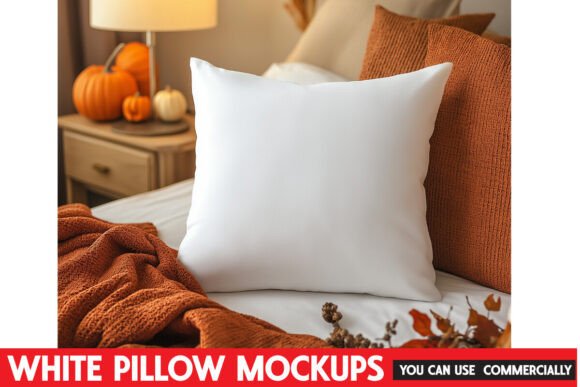
At its core, a White Pillow Mockup is a digital template that simulates a finished pillow product. The file typically shows a white fabric pillow—often a throw pillow or cushion—photographed or rendered under controlled lighting. When provided as a Pillow Mockup PNG, the design area is usually transparent or layered, allowing you to insert your own artwork behind the pillow image. This setup enables you to see your design rendered on a realistic surface without needing to produce a physical sample.
The mockup described in the prompt includes specific attributes: a realistic fabric texture, natural shadows, a resolution of 2048x2048 pixels at 300 DPI, and compatibility with software such as Photoshop or Canva. These details are worth examining from an evaluative perspective, as they influence both the quality of the presentation and the effort required to use the file.
Why Designers and Sellers Consider This Type of Mockup
Understanding the reasons someone might seek out a white pillow mockup helps clarify whether it is a strong fit for you. Several common motivations emerge:
- Visual consistency across a portfolio or storefront – A unified mockup style can strengthen brand identity and make product listings appear more professional.
- Cost and time efficiency – Producing physical samples of every design can be expensive and slow. A digital mockup offers a low-investment way to preview and market ideas.
- Client or buyer communication – Showing a design on an actual product helps clients visualize the final result, reducing misunderstandings and revisions.
- Testing multiple design variations – The ability to swap designs quickly in a layered PNG file allows for rapid iteration without additional photography or production.
These motivations are practical and reasonable. However, the extent to which a White Pillow Mockup meets them depends on the specific features of the file and your own workflow.
Benefits of Using a White Pillow Mockup
Evaluating the benefits involves looking beyond marketing claims and considering how the mockup performs in real use.
Realistic Presentation Without Real Fabric
A high-quality mockup simulates soft fabric texture, subtle folds, and natural lighting. This realism can help a design feel tangible and appealing. For designers working with sublimation, screen printing, or digital patterns, this visual feedback is valuable for assessing how a design might interact with the physical shape of a pillow. The texture and shadows mentioned in the description suggest attention to this aspect, which can elevate a presentation above a simple flat image.
Customization That Fits Common Workflows
The promise of effortless overlaying using Photoshop or Canva is significant. Designers already using these tools can insert artwork quickly, often through a smart object layer or a simple drag-and-drop action. For those new to mockup use, the process is relatively low-friction. The Pillow Mockup PNG format is widely compatible, making it a flexible asset for both professional and hobbyist use.
High Resolution for Detailed Previews
A resolution of 2048x2048 pixels at 300 DPI is sufficient for sharp previews across both web and print contexts. This size allows customers or clients to zoom in without pixelation, which is particularly important for intricate patterns or small text. For social media, shop thumbnails, or printed lookbooks, this resolution offers solid versatility.
Versatility Across Use Cases
The description highlights suitability for throw pillows, cushions, and decor products. If your work spans multiple soft-good categories, a single white pillow mockup can serve as a consistent base for many listings. The neutral white color of the pillow itself helps ensure that the focus remains on the design you are showcasing.
Tradeoffs and Practical Considerations
No mockup is ideal for every situation, and understanding the tradeoffs of a White Pillow Mockup and Pillow Mockup PNG is essential for making an informed choice.
The Limitation of a Single Color and Style
A white pillow is a clean and minimalistic choice, but it may not suit every brand or aesthetic. If your product line includes colored pillows, textured fabrics, or unconventional shapes, a white throw pillow mockup could misrepresent the final product. Customers might expect a white pillowcase, whereas your actual item is black or patterned. In such cases, a mockup that matches the actual product color and material would be more honest and effective.
Requires Software and Some Technical Comfort
While the mockup is designed for use in Photoshop or Canva, it still requires a basic understanding of layers, masking, or smart objects. Users without this experience may struggle to achieve a seamless look. The ease of customization is relative to your skill level. If you are looking for a completely automated solution, this type of file may require a learning curve.
Static Lighting and Shadows
The mockup comes with pre-rendered lighting and shadows. While this saves time, it also locks you into a specific visual environment. If your brand uses a different lighting style or you want to show the pillow in a lifestyle setting, a static mockup may feel restrictive. Some alternative tools offer more dynamic or scene-based mockups, though they often come at a higher cost or complexity.
Not a Substitute for Physical Samples
No matter how realistic the texture, a digital mockup cannot fully replicate the feel of a fabric, the weight of a pillow, or the exact color reproduction under different lighting conditions. For quality-critical production, a physical proof remains the gold standard. A mockup is a presentation tool, not a production tool.
When a White Pillow Mockup Is a Strong Fit
Based on the evaluation above, this type of mockup tends to work well in specific scenarios:
- Digital-first design showcases – If you primarily sell digital patterns or artwork online, a white pillow mockup provides a clean, professional display that emphasizes your design.
- Print-on-demand product listings – Many print-on-demand platforms allow you to upload mockups for pillows. A white base keeps the focus on the design and matches many platform expectations.
- Portfolio or social media content – For designers building a portfolio, consistent mockups create a cohesive look that can attract clients or followers.
- Rapid concept testing – When you need to show multiple design options quickly, swapping artwork in a Pillow Mockup PNG file is fast and efficient.
When Alternatives May Be Worth Considering
There are also situations where another approach might serve you better:
- You sell pillows in multiple colors or fabrics – A white-only mockup can mislead buyers. Consider mockups that match each product variant, or invest in product photography with actual samples.
- You need a lifestyle or contextual scene – If your marketing relies on showing the pillow in a bedroom, living room, or other setting, a single isolated pillow mockup may feel too sterile.
- You lack design software or experience – If you are not comfortable with Photoshop or Canva, some online tools offer fully automated mockup generation with simple uploading. These may lower the barrier to entry.
- You require ultra-high resolution for large prints – For billboards or large-format displays, 2048x2048 pixels may be limiting. In that case, look for mockups with higher resolutions or vector-based alternatives.
Decision-Making Insights for Choosing a White Pillow Mockup
To determine whether a White Pillow Mockup or Pillow Mockup PNG aligns with your goals, consider the following practical questions:
- What is the primary purpose of the mockup? If it is for a quick online preview, the resolution and ease of use likely suffice. If it is for a high-stakes client presentation, you may want additional customization or a more tailored scene.
- Does your product match the mockup? The closer the mockup resembles your actual product in color, shape, and texture, the better. A white pillow mockup works best if your product is a white or light-colored pillow, or if the mockup is used purely as a design canvas.
- How much control do you need over lighting and context? If you want consistent, ready-made lighting, this mockup is convenient. If you need to adjust shadows or angles, look for mockups that offer layered scene elements.
- What is your budget and time investment? A single PNG mockup is usually affordable and quick to use. However, if you need multiple variations or scenes, a mockup bundle or a subscription service might be more cost-effective.
- How important is realism to your audience? For many online buyers, a clean mockup is sufficient. For premium or luxury decor brands, a physical photograph may convey higher quality and trust.
These considerations are not exhaustive, but they provide a framework for evaluating the mockup against your specific context. The goal is not to declare the mockup universally good or bad, but to help you decide whether it fits your workflow, product, and audience.
Final Thoughts on Using a White Pillow Mockup
A White Pillow Mockup delivered as a Pillow Mockup PNG is a practical tool for many designers and sellers. Its realistic fabric texture, high resolution, and compatibility with common design software make it suitable for digital showcases, product listings, and portfolio use. At the same time, its single-color base, static lighting, and software requirement introduce limitations that are worth acknowledging. By weighing these factors against your own goals, you can make a more deliberate choice about whether to incorporate this mockup into your creative or commercial workflow. The most effective presentation is not necessarily the most elaborate, but the one that best communicates your design to the people you want to reach.