Bookish Ghost Pumpkin SVG & Halloween PNG: A Practical Guide to Getting It Right
Digital crafting has opened up a world of creative possibilities, but the sheer range of file formats and usage rules can trip up even experienced designers. The Bookish Ghost Pumpkin SVG, Halloween PNG is a versatile graphic set that combines literary charm with seasonal flair, yet many users run into avoidable issues that waste time, material, and money. Understanding what you are actually downloading and how to use each file correctly makes the difference between a smooth project and a frustrating one.
What This Graphic Set Actually Includes
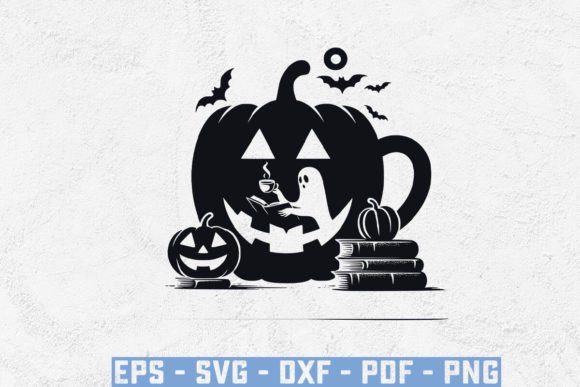
Before diving into common pitfalls, it helps to know exactly what comes with this collection. You receive SVG and EPS vector files, a detailed PNG print-ready file, a DXF file for certain cutting machines, and a convenient PDF. Each format serves a distinct purpose, and using the wrong one for your workflow can lead to poor cuts, blurry prints, or software incompatibility. The design itself is sized at 15 x 18 inches with a crisp 300 dpi resolution, giving you a solid base for both small and large-scale projects.
Mistake One: Using the Wrong File Format for Your Machine or Software
A frequent misunderstanding is thinking that all vector files work identically across every program and cutting machine. The SVG format is widely compatible with software like Cricut Design Space, Silhouette Studio, and Adobe Illustrator, while the EPS file is better suited for professional design applications. The DXF format is often required by older cutting machines or specific CAD-style software. If you try to import a DXF into a program that expects SVG, you may get distorted shapes or no image at all.
Take a moment to check your machine manual or software help section to confirm which file type it prefers. For most Cricut users, the SVG file will be your go-to. Silhouette users may also find the SVG works well, but some prefer the DXF for certain operations. The PNG file is best reserved for print projects or previewing the design, not for cutting, because it lacks the vector paths needed for blade guidance.
Mistake Two: Overlooking Resolution and Size Before Printing
The 300 dpi resolution and 15 x 18 inch dimensions are generous, but that does not mean you can scale the PNG file up indefinitely without quality loss. A common error is stretching the PNG to fit a large poster or banner, which results in pixelation and a blurry final product. Vector files (SVG, EPS) are resolution-independent, so they can be scaled to any size without losing sharpness. The PNG is print-ready at its native size, but if you need a larger print, always use the vector versions.
Before sending a file to print, open it in your design software and verify the dimensions match your intended output. If you are printing on a 12 x 12 inch sheet, the 15 x 18 inch design will need to be scaled down proportionally. Lock the aspect ratio to avoid distortion, and check that any text or fine details remain legible at the smaller size.
Mistake Three: Misunderstanding the Commercial Use License
One of the most consequential mistakes involves the terms of use. The Bookish Ghost Pumpkin SVG, Halloween PNG is intended for personal and commercial creations, meaning you can use the design to make products for sale. However, direct resale of the digital files themselves is not allowed. Some users mistakenly assume that buying the file gives them the right to sell the file as-is or bundle it with other digital products. This misunderstanding can lead to intellectual property disputes or removal from marketplaces.
If you plan to sell physical items made from this design, you are on solid ground. T-shirts, mugs, stickers, tote bags, home decor, and similar finished products are all acceptable. Keep a record of your purchase and the license terms in case a platform asks for proof. The key distinction is between selling the design and selling items that use the design. The former is prohibited; the latter is welcomed.
Mistake Four: Skipping the Test Cut or Test Print
Enthusiasm for a new design often leads to rushing straight to production. Skipping a small test cut or test print is a gamble that frequently backfires. Materials like vinyl, cardstock, or heat transfer paper cost money, and a full-size project that fails due to incorrect blade depth, material settings, or color calibration is frustrating and wasteful.
Cut a small section of the design on scrap material first. Check that intricate details like the ghost's eyes or the pumpkin's stem cut cleanly without tearing. If you are printing the PNG, run a small proof on plain paper before using your expensive photo paper or fabric sheets. This five-minute step prevents hours of rework and saves material costs over time.
Mistake Five: Neglecting to Prepare the Files Properly
Another overlooked detail is file preparation before importing into cutting software. Many users load the SVG directly without checking for duplicate lines, open paths, or stray nodes. These imperfections can cause the machine to cut the same line twice, stall, or produce incomplete shapes. In design software like Inkscape or Illustrator, run a path check and remove any unwanted elements. Ungroup the file and examine each layer to ensure everything is clean.
Similarly, the PDF version is great for manual cutting with scissors or a craft knife, but make sure your printer settings match the paper size. If your printer defaults to letter size and the PDF expects A4, parts of the design may be clipped. Check the page setup before hitting print.
Mistake Six: Assuming All Cutting Machines Handle Fine Details the Same Way
Thin lines, small text, and delicate curves look beautiful on screen, but not every machine reproduces them equally. A high-end laser cutter can handle hairline strokes that a standard blade cutter might tear or skip. Before committing to a large batch of products, test the design on your specific machine with the material you intend to use. Adjust blade depth, pressure, and speed settings as needed. For very intricate sections, consider simplifying the design slightly or using a sturdier material.
The Bookish Ghost Pumpkin design includes charming details that work well on most machines, but fine elements like book spines or vines may need a lighter touch. If you notice fraying or incomplete cuts, try a fresh blade and reduce the cutting speed. Sometimes a second pass at reduced pressure yields cleaner results than a single heavy pass.
Mistake Seven: Forgetting to Check Software Compatibility Before Downloading
Not all design programs handle every file format equally. While SVG is widely supported, some older versions of Silhouette Studio require the Designer Edition to import SVG files correctly. Free software like Inkscape opens SVG and EPS files reliably, but DXF support can vary. The PNG file is universal, but if you need vector paths, the PNG alone will not suffice.
Before purchasing, confirm that your software can open at least one of the vector formats provided. If you rely solely on the PNG and try to trace it with auto-trace tools, the result may be rougher than using the original vector files. The EPS file is a strong backup if SVG compatibility is an issue, as most professional and many free programs support EPS import.
Practical Advice for Getting the Most Out of This Set
- Organize your files by format so you always reach for the right one. Label folders clearly: Cricut, Silhouette, Print, and Archive.
- Keep the original ZIP download intact in a safe location. If a file becomes corrupted or you accidentally save over it, you have a clean copy.
- Use the PDF for quick previews or for hand-cutting with a craft knife. It prints cleanly and shows the design at full scale.
- Layer your project if you plan to use multiple colors. The SVG format allows you to separate elements by color, making it easier to assign different materials.
- Back up your designs to cloud storage or an external drive. Losing files after spending time on setup is disheartening.
What to Check Before Making a Final Decision
If you are considering this graphic set for a specific project, run through a short checklist. Confirm that the 15 x 18 inch size fits your intended medium. Verify that your software opens at least one of the vector files. Review the license terms to ensure your commercial plans align with allowed uses. Test a small sample before producing in bulk. These simple checks eliminate the vast majority of problems that lead to disappointment.
The Bookish Ghost Pumpkin SVG, Halloween PNG offers a thoughtful balance of literary and Halloween aesthetics, but like any digital resource, its value depends on how well you match its capabilities to your own tools and goals. By steering clear of the common missteps outlined here, you will save time, reduce waste, and produce finished items that look as good in reality as they do on your screen.
Whether you are making gifts, building an Etsy shop, or just adding seasonal decor to your home, understanding how to handle vector files, respect licensing, and test your setup is the foundation of successful digital crafting. Treat the design as a versatile tool rather than a magic fix, and you will consistently get professional results.